Exploring the principles of physical activity, diverse training approaches, and how consistent movement contributes to functional capacity and well-being.
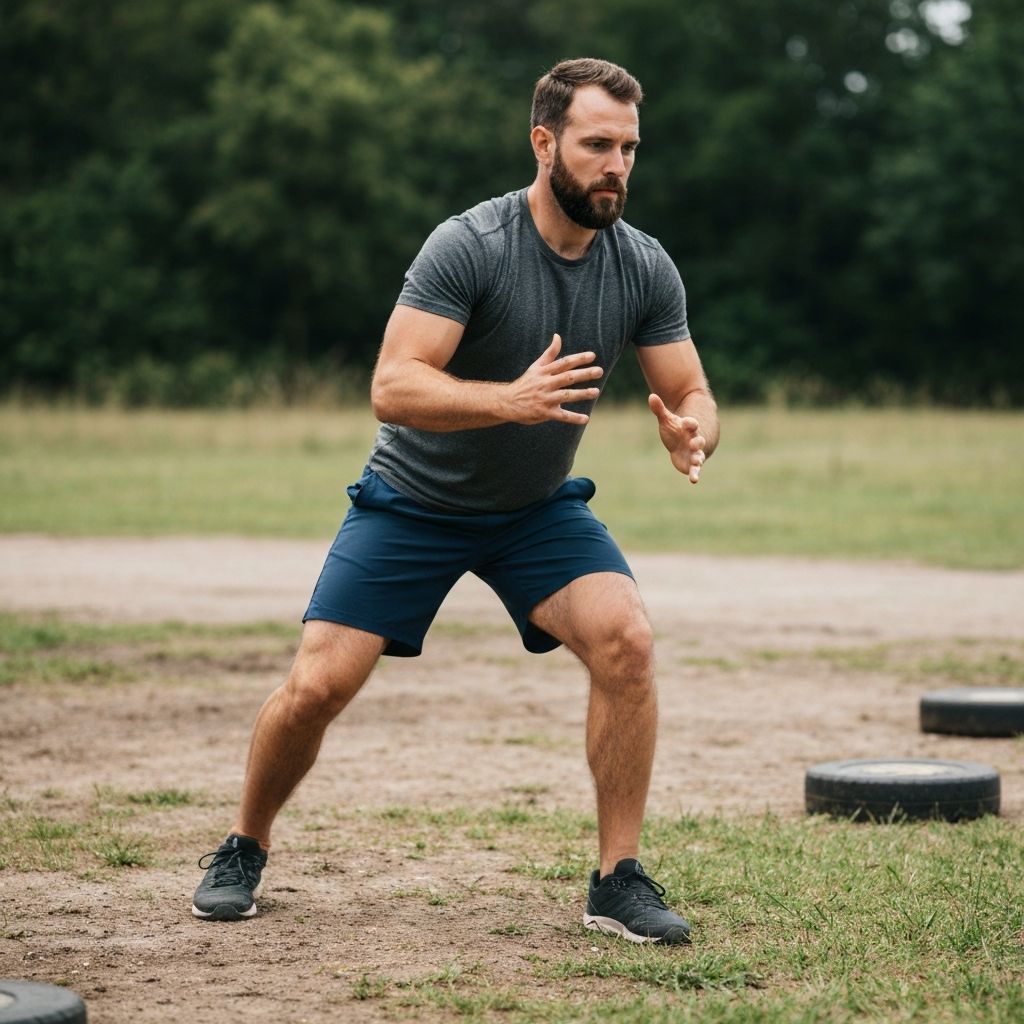
Physical conditioning refers to developing strength, endurance, mobility, and functional capacity through consistent physical activity. Unlike short-term fitness goals, conditioning emphasizes sustainable practices that support long-term capability and resilience.
The body adapts to demands placed upon it. To develop strength and endurance, physical demands must gradually increase over time. This can happen through adding resistance, increasing repetitions, improving movement quality, or progressing exercise difficulty. Without progressive challenge, adaptation plateaus.
Regular, moderate activity produces better long-term results than sporadic intense efforts. A sustainable routine practiced consistently for months and years produces superior conditioning compared to occasional intense sessions. Consistency allows the body to adapt progressively and reduces injury risk.
Performing movements with proper form, control, and awareness produces better results and reduces injury risk compared to rushing through repetitions. Quality movement builds strength in functional patterns, engages stabilizer muscles, and develops proprioceptive awareness.
Physical adaptation happens during recovery, not during the activity itself. Adequate sleep, stress management, and balanced nutrition support the body's ability to recover and improve. Overtraining without sufficient recovery impairs progress and increases injury risk.
Systematically applying resistance (weights, bodyweight, resistance bands) to build muscle tissue and increase strength. Strength training supports bone density, metabolic health, functional capacity, and resilience. Different protocols (high volume, heavy weight, moderate intensity) produce different adaptations.
Activities elevating heart rate and respiration (running, cycling, swimming, rowing) build cardiovascular capacity and aerobic fitness. Regular cardiovascular activity supports heart health, endurance, metabolic function, and mental well-being. Intensity and duration can be varied based on goals and individual capacity.
Maintaining and improving range of motion in joints supports functional movement, prevents injury, and reduces movement restrictions that develop from modern sedentary lifestyles. Stretching, yoga, and mobility practices improve overall movement quality.
Many individuals benefit from combining strength, cardiovascular, and flexibility work. This comprehensive approach builds multiple aspects of physical capacity and supports overall functional health. The balance between different modalities varies based on individual goals and circumstances.
Individuals vary significantly in how their bodies respond to different training approaches, their baseline fitness levels, their recovery capacity, and their optimal training frequency. What produces dramatic results for one person may require adjustment for another. Age, training history, genetics, and current health status all influence optimal training approaches.
Regular physical activity is associated with improved mood, reduced anxiety, better sleep quality, and enhanced cognitive function. The mechanisms include neurochemical changes, increased blood flow to the brain, and the psychological benefits of accomplishment and discipline. This mental health dimension is as important as physical adaptations.
Physical conditioning that supports lifelong well-being emerges from finding activities that are enjoyable, sustainable, and aligned with individual preferences. Whether through structured gym training, outdoor activities, sports, or functional movement, consistency matters far more than perfect technique or following a specific program.
This article presents exercise science in an educational framework. It does not constitute personalized training advice, medical recommendations, or treatment guidance. Individuals with health conditions, significant deconditioning, or specific physical limitations should consult appropriate professionals before beginning or significantly changing exercise programs.